Image: Public
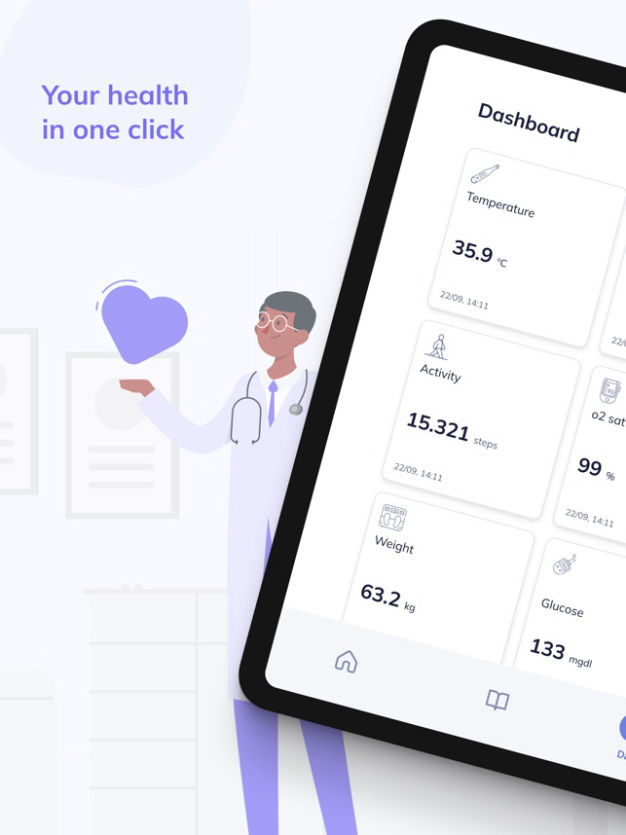
Image: Public
Image: Public
Image: Public
UX design has the potential to improve people’s everyday lives. The stakes are even higher if you work as a UX designer in the healthcare industry. The health-tech sector is among the fastest-growing in the world, with expected revenue of USD 1,305.1 billion in 2030, according to Grand View Research. As a UX designer, you have the opportunity to help define the future of healthcare. Let’s look at the role of UX design within the healthcare field, the impact of the COVID-19 pandemic on digital health solutions, the aging population phenomenon, and the pivotal role of designing for emerging technologies such as virtual reality (VR) and artificial intelligence (AI).
What is Healthcare UX?
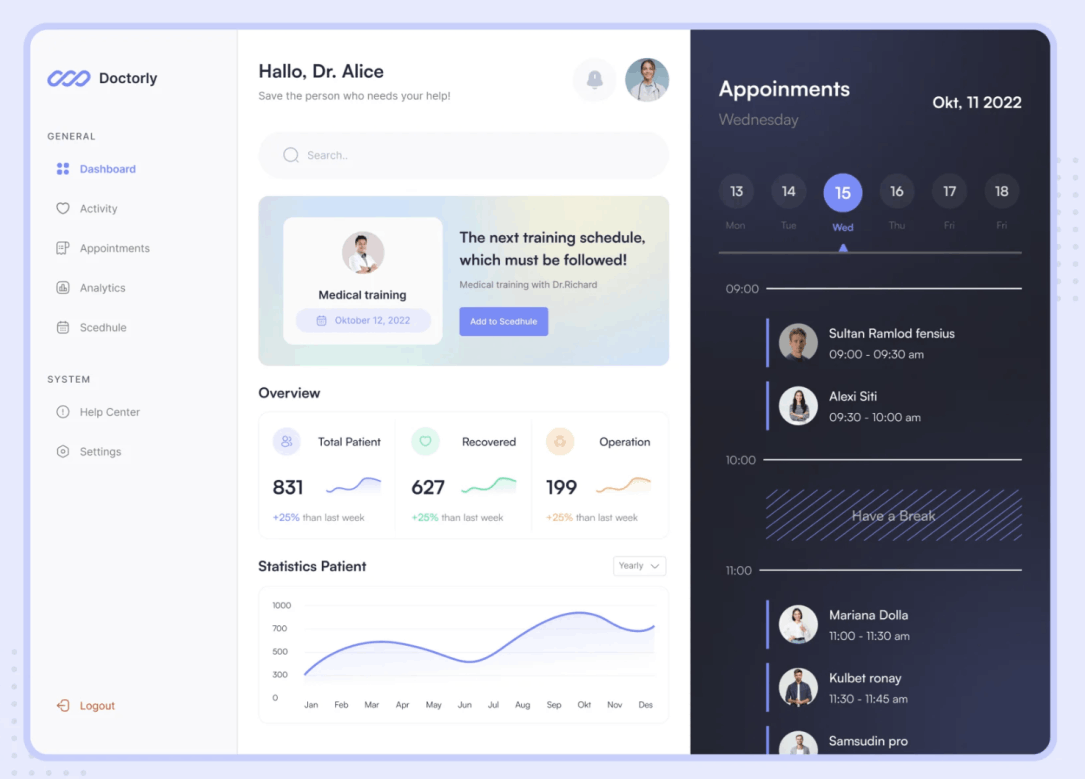
Healthcare UX refers to the design of the user experience of any healthcare product or service, such as electronic health records, disease management apps or doctor appointment scheduling apps.
People with insulin-dependent diabetes must monitor their glucose levels several times a day to adjust their insulin shots accordingly. To measure the glucose levels in the blood, they use a glucose meter. This device analyzes blood drops and shows the glucose levels on the screen. In this case, the device functioned correctly, but the design of the interface presented a huge usability problem. The decimal point was not noticeable enough, leading patients with any type of visual impairment to adjust their insulin doses incorrectly. For a diabetic, getting an inaccurate reading can be catastrophic, resulting in anything from severe hypoglycemia to diabetic coma or death.
On the other hand, an intuitive user experience can empower patients and significantly improve their lives. For instance, the smart tights for stroke patients Nxti is an example of how health technology—movement sensors, etc.—combined with an easy-to-use app can empower patients to rehabilitate at home and relieve the strain on hospitals and clinics.
At its core, UX/UI design in healthcare isn’t too different from UX/UI design in other industries; it aims to generate value for users along with strong user engagement and retention. However, there is another layer to healthcare UX.
A lousy healthcare UX can have terrible consequences. For instance, a poorly designed glucose meter had to be recalled because it led to patients misreading their glucose levels.
Good healthcare UX can help people take easier and better care of their health and significantly improve their lives. What’s more, good healthcare UX can be a gamechanger for the healthcare system—hospitals, clinics, nonprofits, businesses, etc.—and help them deliver better care to their customers and patients.
Healthcare UX, or User Experience, focuses on designing user-friendly and effective healthcare products and services. It aims to enhance patient well-being, streamline workflows for medical professionals, and improve overall healthcare accessibility. In essence, healthcare UX seeks to create positive and efficient experiences for everyone involved in the healthcare journey.
Key aspects of Healthcare UX:
Patient-centered design:
UX in healthcare prioritizes the needs and preferences of patients, ensuring they can easily understand and navigate the healthcare system.
Improving usability:
UX design aims to make healthcare technologies, like Electronic Health Records (EHRs), intuitive and easy to use for both patients and medical staff.
Reducing cognitive load:
By simplifying complex interfaces and information, UX design can help reduce stress and improve efficiency for healthcare professionals.
Enhancing accessibility:
UX design considers the needs of all users, including those with disabilities, ensuring that healthcare information and services are accessible to everyone.
Integrating technology:
UX design plays a crucial role in the development and implementation of new technologies in healthcare, such as telemedicine platforms and AI-powered diagnostic tools.
Examples of UX in healthcare:
Patient portals:
UX design can improve the usability of patient portals, allowing patients to easily access their medical records, schedule appointments, and communicate with their healthcare providers.
EHR systems:
By simplifying workflows and reducing information overload, UX design can make EHRs more efficient and user-friendly for doctors and nurses.
Telemedicine platforms:
UX design can enhance the user experience of telemedicine platforms, making virtual appointments more accessible and convenient for patients.
Wearable technology:
UX design can improve the integration of wearable devices into healthcare, allowing for passive tracking of health data and personalized insights.
AI-powered diagnostic tools:
UX design can ensure that AI-powered diagnostic tools are easy to use and interpret, helping doctors make more accurate diagnoses.
Challenges and Trends in Healthcare UX:
High-stakes decision making:
In healthcare, UX errors can have serious consequences, making it crucial to prioritize safety and accuracy in design.
Balancing innovation and usability:
Healthcare UX needs to balance the adoption of new technologies with the need for intuitive and user-friendly interfaces.
Data privacy and security:
UX design must ensure that patient data is handled securely and ethically.
Integration of AI:
Artificial intelligence is increasingly being integrated into healthcare UX, offering opportunities to improve efficiency and personalization.
The future of healthcare UX:
Continued focus on patient-centered design:
UX in healthcare will continue to prioritize the needs and preferences of patients, ensuring a positive and engaging healthcare experience.
Increased use of AI and machine learning:
AI and machine learning will play an increasingly important role in healthcare UX, enabling more personalized and efficient healthcare.
Emphasis on accessibility and inclusivity:
UX design will continue to strive for accessibility and inclusivity, ensuring that all patients can benefit from healthcare technologies and services.
Collaboration and innovation:
Healthcare UX will require collaboration between UX designers, healthcare professionals, and technology developers to create innovative and effective solutions.

AI Website Builder