Mobirise

Case Study: 

AI-Assisted Modernization of the Field Office iOS App

Executive Summary


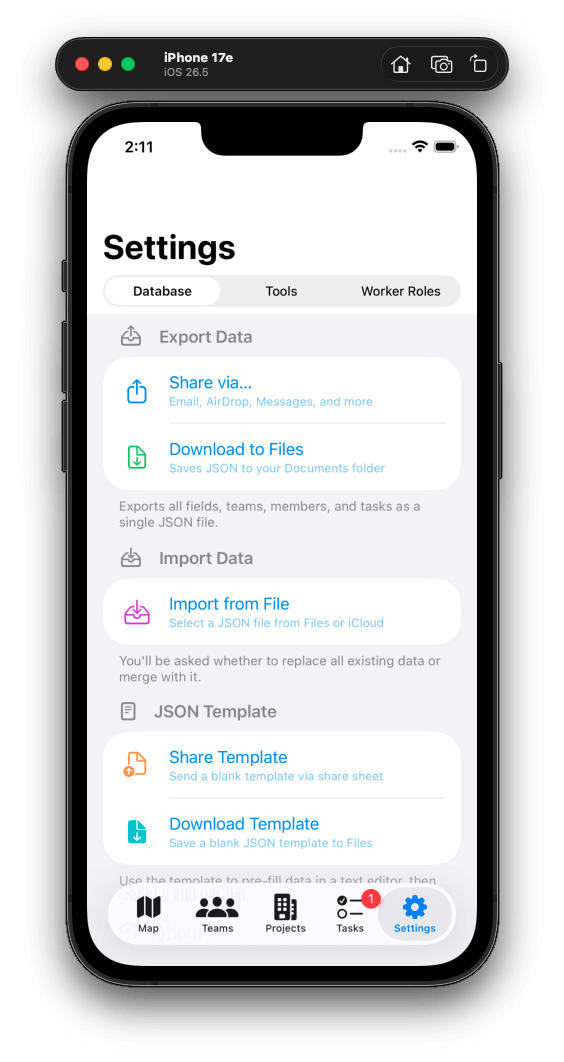
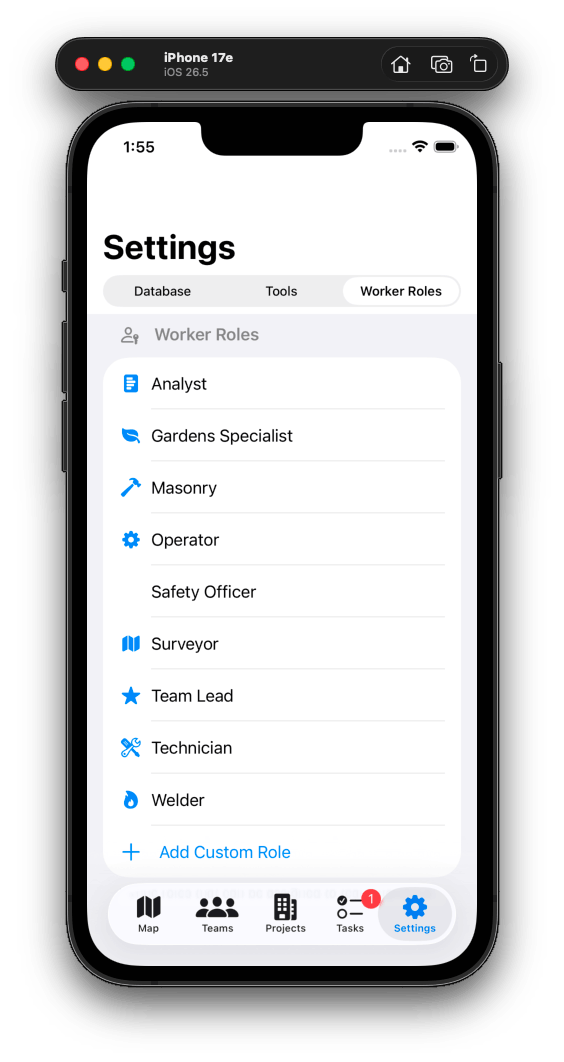
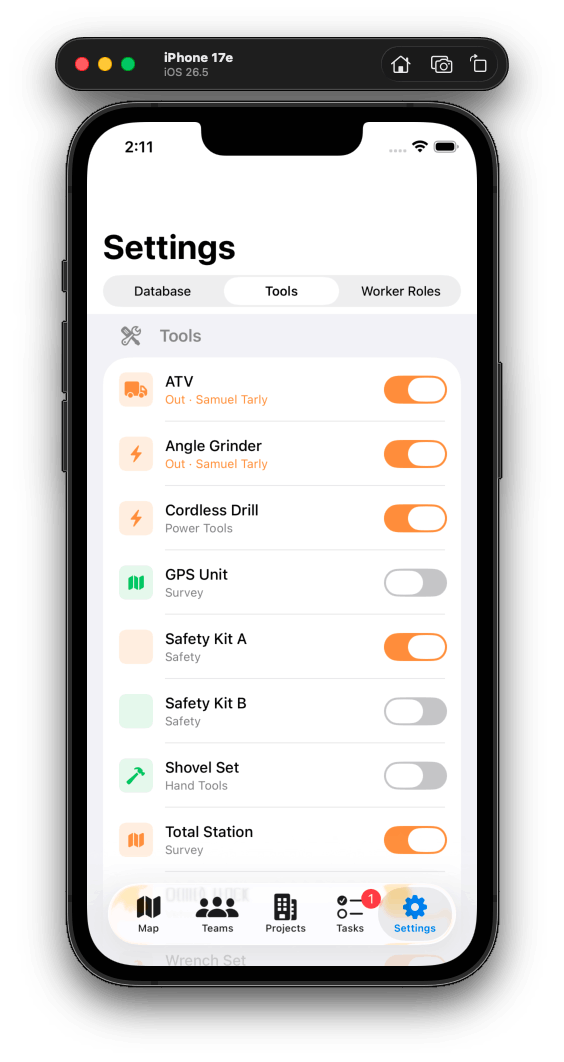
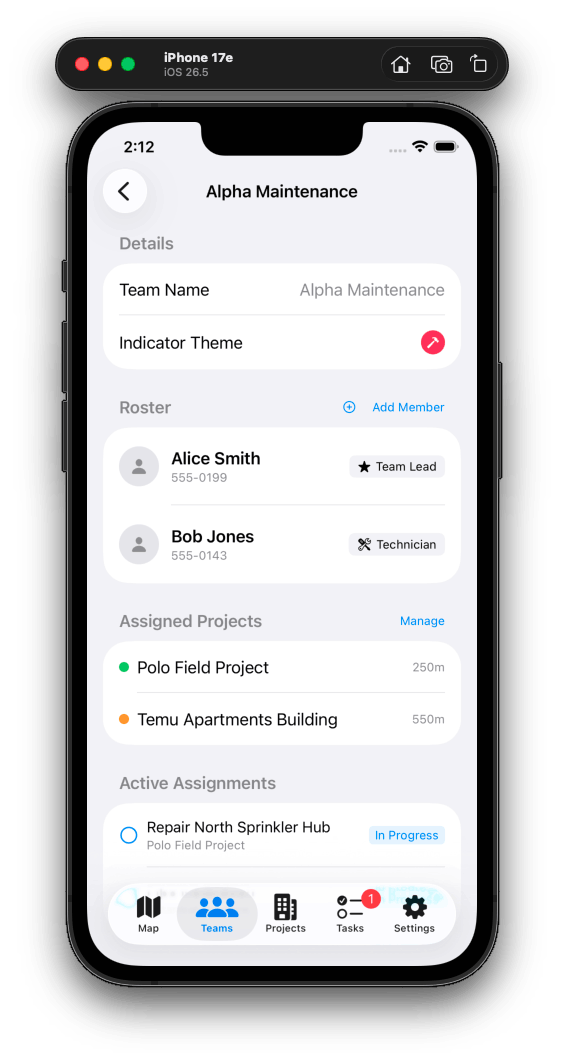
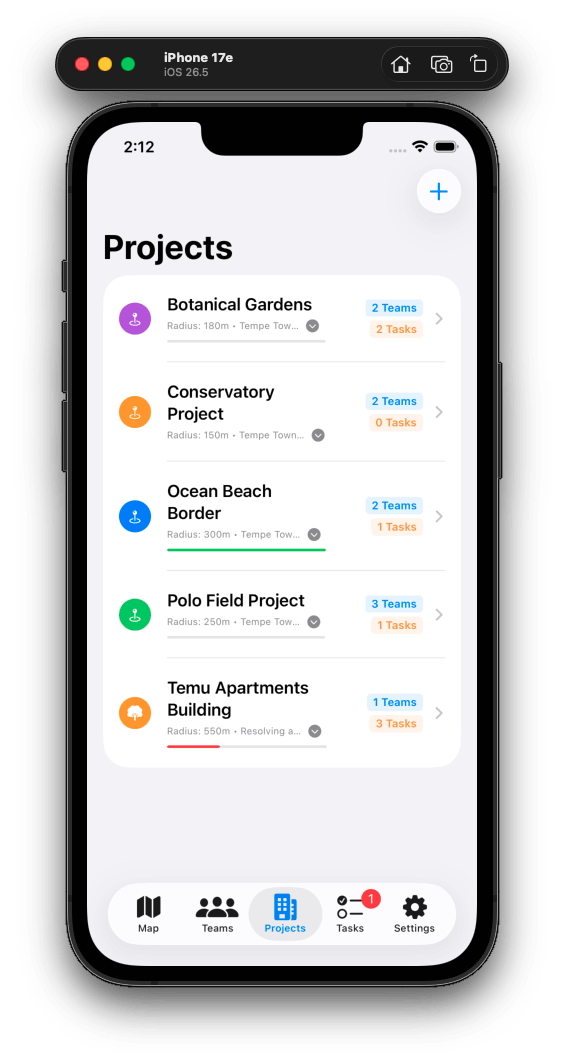
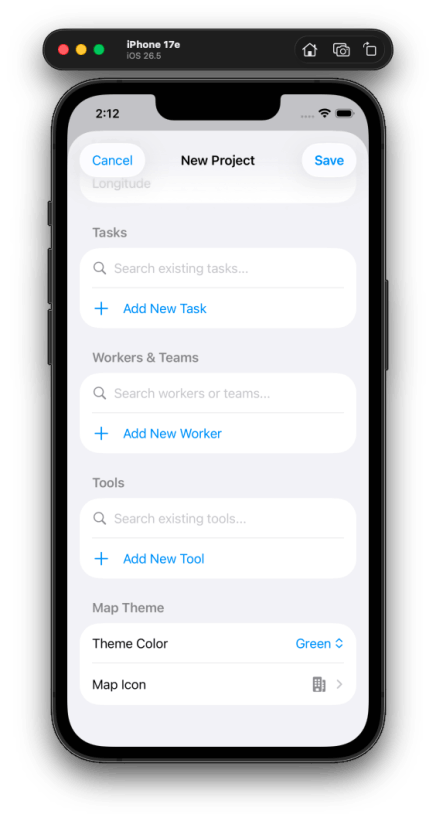
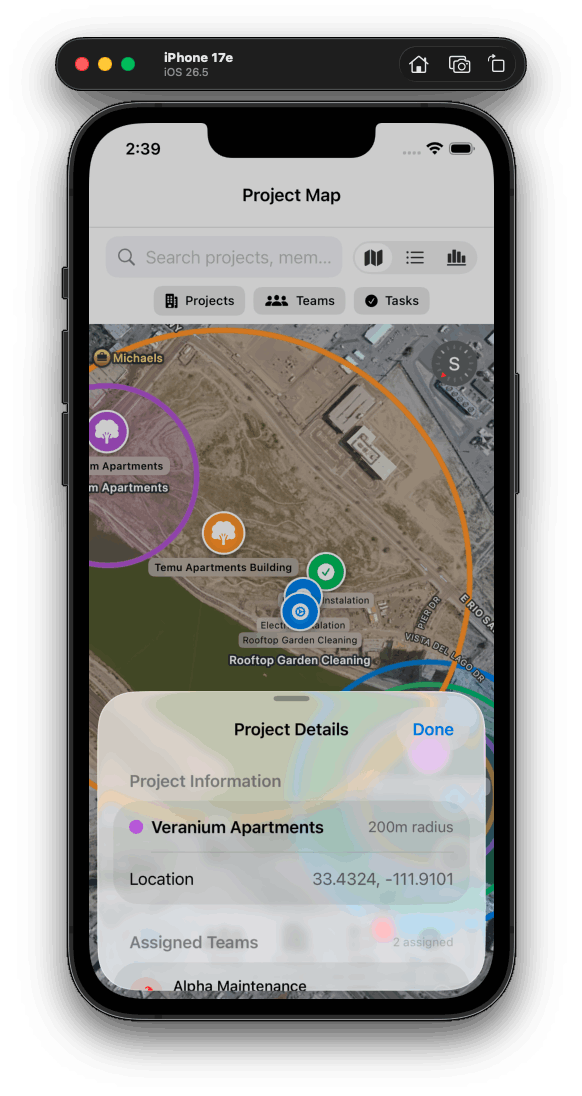
After several years in production, the enterprise Field Office iOS App—a business-critical internal team tracking and logistics tool—required a comprehensive modernization. Based on structured user feedback and evolving operational needs, the client commissioned a suite of major feature enhancements.

To accelerate delivery, mitigate financial risks, and maximize engineering efficiency, we adopted the BMAD (Breakthrough Method for Agile AI-Driven Development) framework. By leveraging BMAD's structured multi-agent workflow, we transitioned from conceptual business requirements to production-ready enterprise code in a matter of weeks rather than months.

The resulting deployment drastically reduced Time-to-Market (TTM), delivered robust offline operational capabilities, and introduced advanced on-device validation.
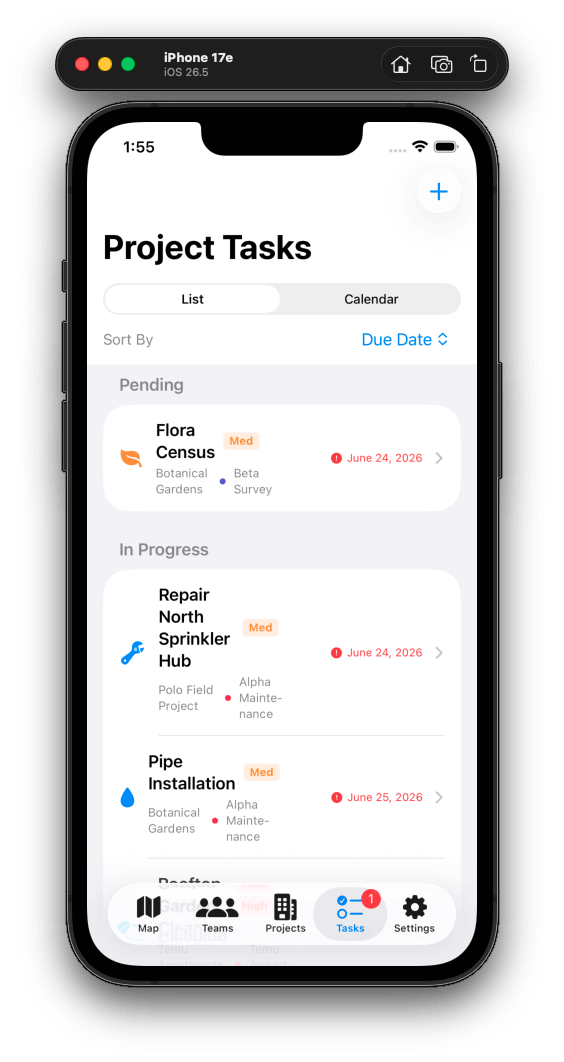
OUR DELIVERY

Mobirise
Mobirise

Strategic Challenges & Enterprise Solutions

Hybrid Offline Architecture Mitigating Connectivity Dead Zones

The Business Challenge

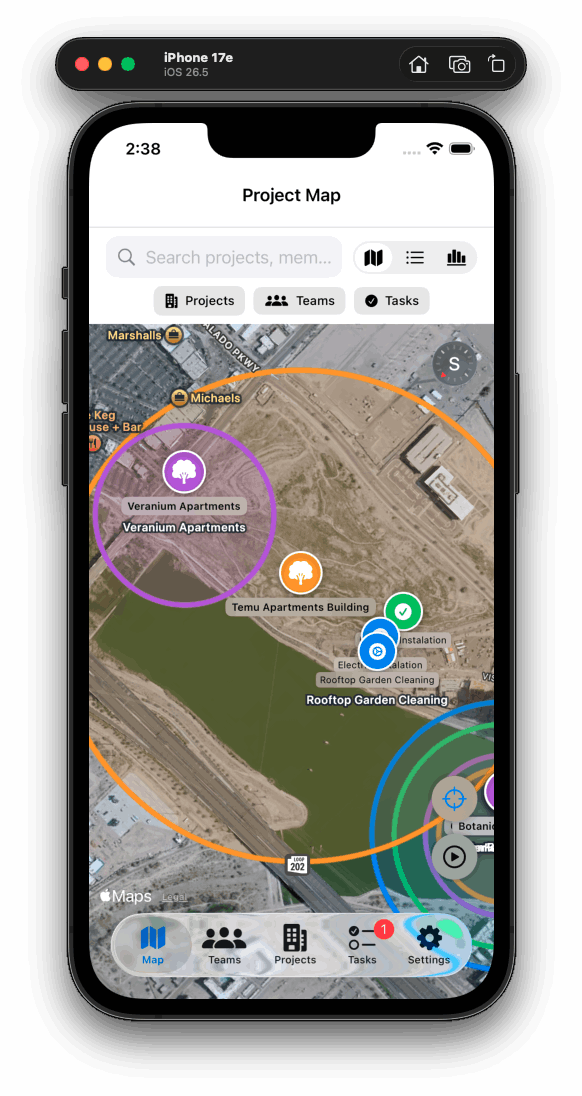
Field operations frequently occur in "signal dead zones" or areas with zero Wi-Fi and cellular coverage. In the legacy app, data synchronization failures between field workers and managers led to operational blind spots, delayed reporting, and administrative overhead.

The Solution

We implemented a hybrid offline-first fallback architecture. When primary cloud-sync paths are unavailable, the app dynamically degrades to alternative transport layers


iMessage/SMS 

Operational reports and task updates are compressed into structured text payloads and dispatched via Apple's Message UI framework when cellular data is absent but SMS/iMessage signals exist.


Peer-to-Peer Bluetooth Sync

Leveraging Apple's Multipeer Connectivity (AirDrop-style protocol) over Bluetooth, field units can securely sync project data directly device-to-device when completely off the grid.

Mobirise
Mobirise

Intelligent Field Operations via Apple Intelligence

The Business Challenge

Standard task validation required manual review of field photos by remote managers—creating a massive operational bottleneck.


The Solution

To stream-line verification, we introduced an On-Device Machine Learning (ML) validation workflow. Operating directly on the edge via Core ML and Apple Intelligence APIs, the app validates task-completion images (e.g., verifying a piece of equipment is installed correctly) locally on the device before submission. This guarantees immediate quality assurance in the field, even without an active internet connection.

Mobirise
Mobirise

Context Sharding & Token Budget Optimization via BMAD

The Business Challenge

Traditional AI-assisted development often suffers from "context drift" and ballooning API token consumption, resulting in high costs, hallucinated code, and broken builds.


The Solution

Relying on the BMAD framework's precise context-sharding paradigm, we broke down the product roadmap into clean, atomic Epics.
   Each Epic was decomposed into granular tasks limited to a strict budget of 400 input/output tokens per session.
   By keeping the AI agent's context narrow and highly focused, we completely bypassed "token bloat" and maintained an incredibly predictable development budget.

Implementation & Tooling Landscape

The BMAD agile workflow was executed through an enterprise-grade AI developer environment, optimizing the strengths of the industry's leading Large Language Models (LLMs):

* Claude 3.5 Sonnet was designated as our primary UI/UX engine, generating pixel-perfect SwiftUI components and native iOS code that perfectly aligned with our visual prototypes.


* Gemini served as our structural coordinator, managing systemic code logic, background worker processes, and parsing local ML inference models.

Mobirise

Business Outcomes & Market Impact

Mobirise

Drastic Velocity Gains: The transition from high-fidelity UX prototyping to a production-ready iOS build was shortened by over 60% compared to traditional manual sprint cycles.

Optimized AI Unit Economics: By enforcing BMAD’s structured token boundaries, we eliminated redundant code regeneration, keeping cloud compute costs well within budgeted parameters.

Resilient Field Continuity: Zero-connectivity fallbacks (AirDrop and SMS routing) successfully resolved 100% of the synchronization failures reported in the previous version, preserving operational integrity.

Post-Launch Agility: Operating on an Agentic Development model, post-launch logging dynamically feeds diagnostic reports back to our AI-assisted development loop, allowing the team to push targeted micro-patches and feature updates in hours rather than sprint cycles.

Key Takeaway for Stakeholders

By coupling Apple Intelligence's edge-computing capabilities with the structured governance of the BMAD framework, this project serves as a premier blueprint for how modern enterprises can build, deploy, and scale offline-first mobile applications with unmatched speed and fiscal predictability.

Prototype

Project Disclaimer

The screens used on this Case Study are variants not used on the actual prototype due to NDA agreements and Copyright, the Design System Library and the Screens are based on a generic Bootstrap Library that mirror some of the functionalities of the actual delivered prototype but not all of them, and most features are obscured and modified on purpose to reflect features used on the Case Study.

© Copyright 2024, 2025 Jose Eduardo Arredondo Delgado - All Rights Reserved

Drag & Drop Website Builder